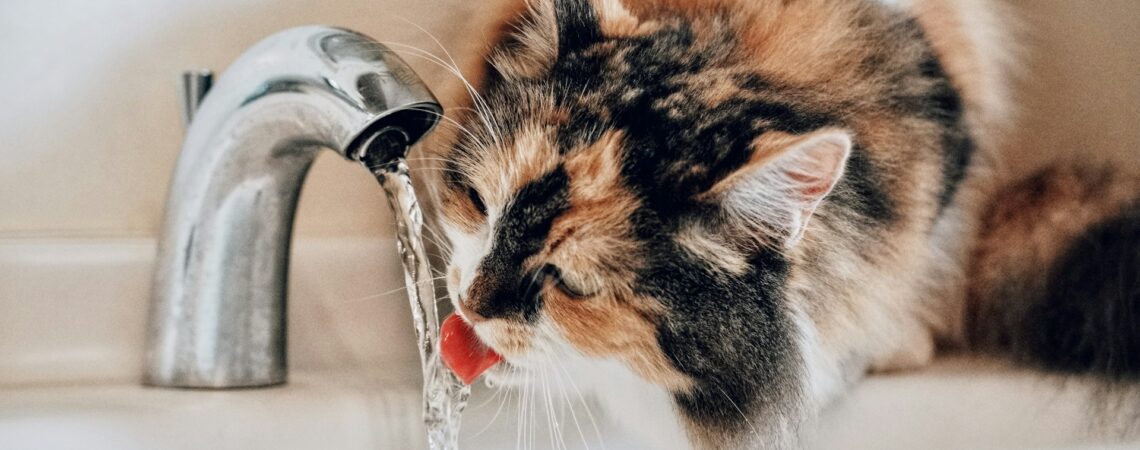
Many pet owners associate hydration with hot summer days. It is common to refill water bowls more often when temperatures rise because dogs, cats, and other companion animals lose more moisture through panting and normal body functions. However, proper hydration is important throughout the entire year, not only during warm weather. Water supports nearly every process inside a pet’s body, including digestion, circulation, temperature regulation, and joint function. Seasonal changes may influence drinking habits, but the body’s need for water never disappears. Understanding why hydration habits matter beyond hot weather for pets helps owners provide consistent care that supports long-term health and overall well-being.
Supporting Everyday Body Functions
Water is involved in almost every essential function within a pet’s body. It helps transport nutrients, remove waste products, regulate body temperature, and maintain healthy organs. Every cell depends on an adequate supply of water to function properly. Even small reductions in hydration can affect how efficiently the body performs these daily tasks. Pets continue using water whether they are active outdoors or resting inside the home. Their bodies require a steady balance regardless of the season. Maintaining regular hydration habits supports normal physical function throughout every stage of life.
Maintaining Healthy Digestion
The digestive system relies on water to process food effectively. Proper hydration helps move food through the digestive tract while supporting nutrient absorption. Pets that do not consume enough water may experience slower digestion, making bowel movements more difficult. This can contribute to discomfort over time. Water also assists the body in breaking down food so nutrients become available for growth, energy, and tissue repair. Providing fresh drinking water every day helps maintain healthy digestive function throughout the year instead of only during warmer months.
Protecting Kidney Function
The kidneys perform an important job by filtering waste products from the bloodstream and helping regulate fluid balance. These organs depend on adequate hydration to function efficiently. When pets drink enough water, the kidneys can remove waste more effectively through urine. Good hydration also supports a healthy urinary system by encouraging regular elimination. While hydration alone cannot prevent every urinary condition, it contributes to maintaining normal kidney function throughout life. Consistent water intake becomes especially important as pets grow older because age-related changes may affect kidney health.
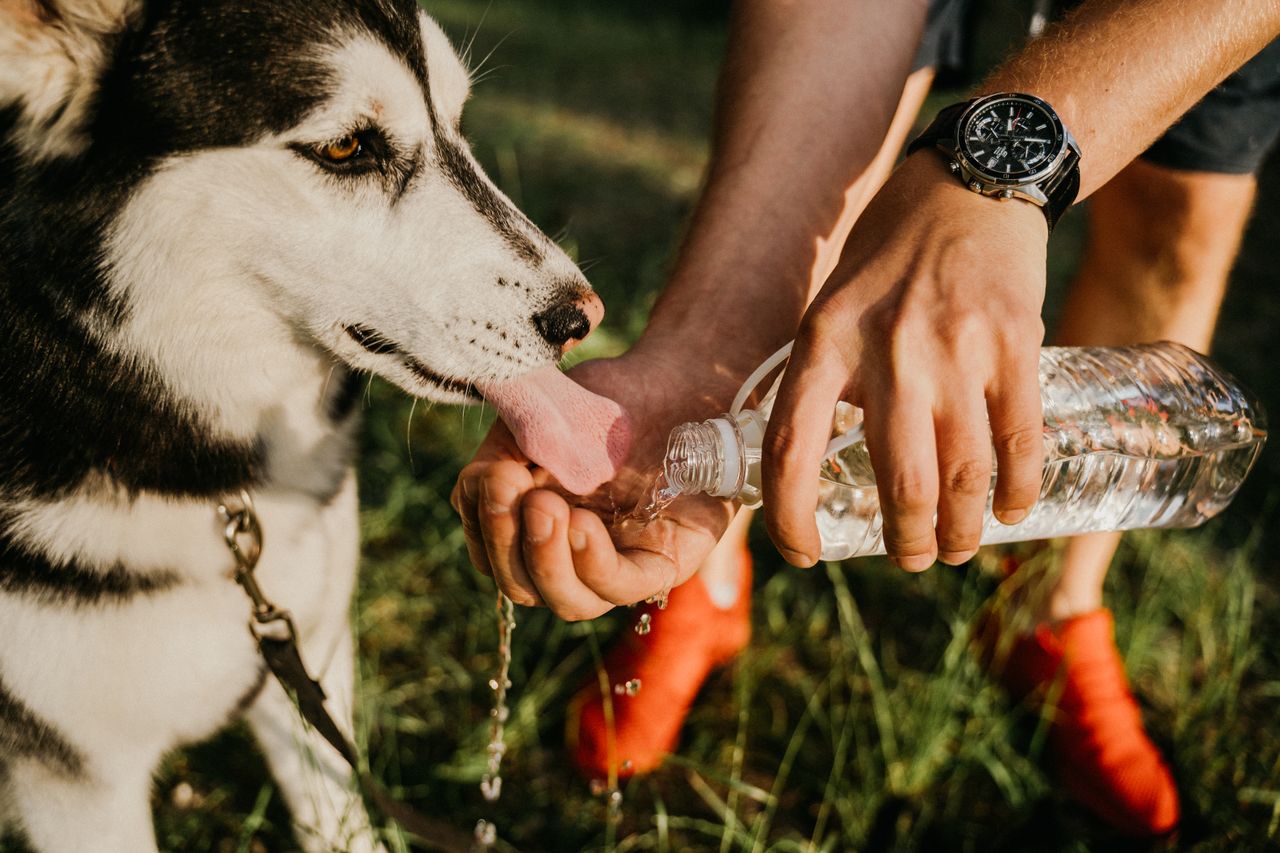
Encouraging Consistent Drinking Habits
Many pets naturally drink more water during hot weather because increased temperatures stimulate thirst. Cooler seasons, however, may reduce that natural response even though the body still requires sufficient hydration. Owners should continue monitoring water consumption during autumn, winter, and spring rather than assuming cooler weather eliminates hydration needs. Indoor heating systems may also dry the surrounding air, increasing moisture loss without obvious signs. Offering clean water in familiar locations encourages regular drinking throughout the day. Developing consistent hydration habits helps pets maintain healthier fluid balance regardless of outdoor temperatures.
Supporting Active and Indoor Pets
Hydration is important for every pet, regardless of activity level. Highly active dogs lose water during exercise, but indoor pets also require steady hydration for everyday bodily functions. Cats sleeping near sunny windows, older dogs resting indoors, and small animals living inside climate-controlled homes all continue using water normally. Physical activity influences hydration needs, but simple daily metabolism also requires regular fluid intake. Fresh water should remain available at all times so pets can drink whenever needed. Indoor living does not reduce the body’s dependence on proper hydration.
Recognizing Early Hydration Changes
Pet owners benefit from observing their animal’s normal drinking habits throughout the year. Sudden increases or decreases in water consumption may sometimes indicate changes that deserve attention. Dry gums, reduced energy, concentrated urine, or noticeable changes in appetite may accompany inadequate hydration in some situations. Likewise, unusually increased drinking may occasionally signal underlying medical concerns that require veterinary evaluation. Becoming familiar with normal hydration patterns makes it easier to recognize changes early. Routine observation allows owners to respond more quickly whenever drinking habits …